Siding Contractor in Rollingwood, TX for Hill Country Homes Built to Last
Rollingwood homes have a rough time out there. Summer brings triple-digit afternoons that bake the west walls, spring brings hailstorms that crack gable siding, and wind-driven rain gets behind any flashing detail that wasn't done right. On top of that, live oak shade and sprinkler spray keep the lower courses damp. We're Rollingwood Legacy Siding Pros, a siding specialist working on the city's mid-century ranches and custom rebuilds. We install fiber cement, James Hardie, engineered wood and board and batten, and we replace rotted cedar, trim, soffit and fascia. The goal is siding that matches your home's character and actually keeps the weather out.
Rollingwood was incorporated in 1955, and it shows in the mix of houses: original limestone-and-wood ranches stand next to Hill Country contemporaries clad in panels, metal and cedar. We match original profiles where it counts and update the flashing, house wrap and trim underneath where the old work fell short. Our crews also work regularly in West Lake Hills, Sunset Valley, Bee Cave and across Austin. Every project starts with design guidance and a clear written scope, and the crew protects your landscaping from start to finish.
- ✓Serving Central Texas since 2020
- ✓Bonded contractor
- ✓Fully insured crews
- ✓Financing available
- ✓Clear written scope on every project
- ✓Landscaping protection on every job site
- ✓Serving a 20-mile radius around Rollingwood
Request Your Free Estimate
No obligation. Fast, honest quotes.
Thank you — your request was sent!
A member of the Rollingwood Legacy Siding Pros team will reach out shortly. Need help now? Call (512) 823-1997.
Why Rollingwood Homes Need a Siding Specialist
Siding fails differently in Rollingwood than it does in most places. Intense sun, rain that arrives in bursts, hail, shade from mature oaks, wildfire exposure and a city permit process of its own all affect what you should install and how it should be detailed. Here's what's going on.
Hill Country Heat, Hail and Wind-Driven Rain
At about 30°N latitude, Rollingwood gets strong UV for most of the year. Summers often run from the mid-90s to over 100°F between June and September, and some years log dozens of triple-digit days. South- and west-facing walls take the most punishment: vinyl warps and oil-cans, caulk joints shrink and split, and paint fades years early. The area averages 34–36 inches of rain a year, but much of it falls in heavy spring and fall storms that push water sideways behind siding, around windows and at roofline kick-outs. Hail season usually runs from March through June and regularly cracks vinyl and chips fiber cement. Hard freezes are rare, but the February 2021 storm proved they still happen, and that kind of freeze stresses wet wood siding.
Mid-Century Ranches, Modern Rebuilds and Wooded Lots
Rollingwood started out as 1950s–1970s ranch homes on large wooded lots. Most were clad in Austin limestone, brick, wood lap, board and batten, or T1-11 and hardboard panels. A lot of those houses have since been torn down or heavily remodeled into Hill Country contemporary and transitional homes that mix limestone, stucco, fiber cement panels, vertical board and batten, metal and cedar. The lots bring their own problems. Thin soils over limestone, slopes and mature live oaks keep shaded walls damp, and leaf litter holds moisture against the bottom courses. The same steep, wooded sites make staging, access and debris removal harder, so crews need to plan carefully to avoid damaging root zones and beds.
Rollingwood Permits, HOAs and Wildfire Considerations
Rollingwood runs its own permit and inspection process, separate from Austin's. Exterior remodels usually need city review, especially when you're changing materials or adding on, and impervious cover and setback rules can affect related work. Next door, West Lake Hills, Bee Cave, Lakeway and Sunset Valley each have their own building departments. Austin's historic districts, including Hyde Park, Travis Heights and Bouldin, generally prefer in-kind repair over vinyl. Many lake-area and suburban subdivisions have HOA architectural committees that sign off on materials and colors. Western Travis County also sits in the wildland-urban interface, and ignition-resistant cladding like fiber cement is getting more attention there. Pre-1978 homes fall under federal EPA lead-safe (RRP) rules too.
What Rollingwood Homeowners Expect
Rollingwood and West Lake Hills are among the most affluent communities in the Austin metro, and home values here often top $1.5–2 million. Many families moved here for Eanes ISD, and many homeowners are professionals and tech workers on tight schedules. They expect premium materials, close attention to architectural detail, manufacturer-backed products and crews who cause as little disruption as possible. That means clean reveal lines, concealed fasteners where the design calls for them, color matches that hold up and a site that looks like nobody was there once the job is done.
Common Siding Problems We See Around Rollingwood
Most siding damage around here is slow and hidden until it suddenly isn't. Below are the problems we find most often on Rollingwood, West Lake Hills and greater Austin homes, why our climate and building stock cause them, and the warning signs to look for before a small repair becomes a full wall.
Hail-Cracked and Punctured Siding Serious
Spring hail cracks, punctures and chips siding panels. The damage is usually worst on gables and on walls facing the storm. Cracked cladding lets water reach the sheathing, and dents and chips break the finish so the material starts to deteriorate faster.
Why it's common hereCentral Texas sits in an active hail corridor, and supercells roll through between March and June most years. Two-story gables catch the most impact because they're exposed and unshielded. Vinyl turns brittle after years of 100°F summers and UV, so it shatters more easily, and aluminum dents on contact. Hail claims also bring out-of-town storm chasers. Insurance adjusters often have trouble matching discontinued profiles and colors, which makes proper documentation essential.
Signs you'll notice- Cracked or holed vinyl panels on gables
- Round dents in aluminum siding or trim
- Chipped fiber cement edges and corners
- Dented gutters, vents or AC fins nearby
- Granules from the roof in the gutters
- Fresh paint spatter marks on exterior walls
We see heavy hail damage on two-story gables in Steiner Ranch, Falcon Pointe in Pflugerville, and Lakeway subdivisions. In Rollingwood and Westlake Highlands, mature tree canopy sometimes protects lower walls, while upper stories and exposed west elevations take the hits.
Our fix: Document the damage with photos and measurements for your adjuster, find matching profiles, and replace the damaged walls or full elevations with impact-tolerant fiber cement where a match isn't possible.
Hardboard and Masonite Siding Rot Serious
Hardboard siding from the 1980s and 1990s, including Masonite and early OSB-based products, is made of compressed wood fiber. Once water gets past the paint, especially at the bottom edges, the boards swell, soften and rot from the inside while the surface can still look fine.
Why it's common hereMany of the 1980s–2000s homes in Jollyville, Wells Branch, Shady Hollow, Lakeway and Hudson Bend have brick on the front and hardboard on the sides, back and second story. After 30 or more Central Texas summers, the paint has cracked, the caulk has shrunk, and sprinkler spray has been soaking the lower courses for years. Heavy spring and fall rain then wicks into the bottom edges. Many of these houses are due for replacement now.
Signs you'll notice- Swollen, flared bottom edges on lap boards
- Soft spots when pressed with a screwdriver
- Paint blistering or peeling in strips
- Waffle-pattern texture showing through paint
- Mushroom growth or dark staining at joints
- Boards pulling away from nails
Common on the side and rear walls of Jollyville and Wells Branch homes, older Shady Hollow houses, and 1990s Lakeway and Hudson Bend homes. Rollingwood ranches that got T1-11 or hardboard additions decades ago show the same bottom-up rot.
Our fix: Remove the failed hardboard, repair the sheathing, add house wrap and proper flashing, then install James Hardie or engineered wood siding painted to match the brick.
Rotted Trim, Fascia and Soffit Moderate
Wood trim, fascia boards and soffits decay when water sits on them. Clogged gutters, missing drip edge and failed paint are the usual causes. Rot here lets in rain, wasps, squirrels and rats, and it can spread into the rafter tails and wall framing.
Why it's common hereLive oak canopies in Rollingwood and West Lake Hills fill gutters with leaves, so water backs up behind the fascia. Intense UV breaks down paint on trim faster than on the body of the house. Many mid-century ranches still have their original 1x fascia without drip edge. Termites and carpenter ants also go after trim that stays damp, especially near mulch beds.
Signs you'll notice- Peeling paint on fascia corners
- Soft or crumbling wood at miter joints
- Sagging gutters pulling off fascia
- Daylight or gaps in soffit panels
- Wasp nests or rodent droppings in eaves
- Dark streaks below gutter lines
Very common on Rollingwood and Westlake Highlands ranches under heavy oak cover, and on Barton Hills homes from the 1960s and 70s. Older Tarrytown and Zilker homes show fascia rot where the roofline meets dormers or additions.
Our fix: Replace the rotted sections with fiber cement or primed, treated trim, add drip edge and venting, and seal and paint everything so the profile matches the original.
Water Intrusion at Windows and Kick-Outs Emergency
This is hidden water damage caused by missing or badly installed flashing at window heads, sills, rooflines and kick-out points. Water gets behind the siding, soaks the sheathing and framing, and often shows up as interior stains or mold before you see anything outside.
Why it's common hereAustin-area storms dump rain fast and blow it sideways. In Flash Flood Alley, two inches in an hour isn't unusual. Plenty of builder-grade and older homes were sided without kick-out flashing where a roof meets a wall, and with face-sealed window trim that depends entirely on caulk. Hill Country heat shrinks that caulk within a few seasons. It's the most expensive failure we find because it stays hidden for so long.
Signs you'll notice- Stains on drywall below windows
- Swollen or soft window sills
- Streaking below roof-to-wall intersections
- Musty smell in a single room
- Bubbling paint on siding under windows
- Rotted sheathing visible at a cut or vent
We find this often on two-story rebuilds and additions in Rollingwood and West Lake Hills, where complex rooflines create many wall intersections. It also shows up on 2000s builder homes in Bee Cave, Buda and Manor.
Our fix: Open the affected wall, dry it out, replace any rotted sheathing, and rebuild the weather barrier with pan flashing, head flashing and kick-outs before installing new siding.
Heat-Warped and Oil-Canned Siding Moderate
Vinyl and some metal siding distorts in extreme heat. It can wave, buckle or ripple (oil-canning), and panels sometimes pop off their locks. Most of the time it's a cosmetic problem at first, but loose panels let wind-driven rain in.
Why it's common hereDozens of 100°F-plus days on a west wall can push surface temperatures well past what vinyl handles comfortably, especially when the panels are dark or catch reflected sun from windows or a neighbor's glass. Nailing panels too tight is common in rushed installs, and it leaves the siding no room to expand. Metal panels with too little substrate support oil-can visibly in low-angle afternoon light.
Signs you'll notice- Wavy or rippled panels on west walls
- Panels unlocked or sagging
- Melted spots near grills or reflective windows
- Visible gaps at J-channel
- Faded, chalky panel surfaces
Most common on vinyl-sided homes in Pflugerville, Del Valle, Manor and Garfield, and on mobile homes across the eastern suburbs. In Rollingwood we sometimes see oil-canning on modern metal accent walls that were installed without proper backing.
Our fix: Replace the distorted panels with correctly fastened material, or switch the exposed elevations to fiber cement or engineered wood that tolerates heat better.
Mildew, Algae and Lower-Course Decay Minor
This is green or black growth and soft decay on the shaded walls and bottom courses of siding. Constant moisture from shade, mulch beds and sprinklers keeps wood and composite siding damp, which feeds organic growth and eventually rot and insect activity.
Why it's common hereHumid Gulf air, dense oak shade and north-facing walls that never fully dry make ideal conditions in Rollingwood and West Lake Hills. Mulch piled against the siding and irrigation heads aimed at the walls make it worse. Subterranean termites, including Formosan species, move into damp wood that sits within a few inches of soil.
Signs you'll notice- Green or black film on north walls
- Soft, dark wood at the bottom course
- Mud tubes on foundation or siding
- Paint peeling just above mulch line
- Sprinkler spray marks on walls
- Woodpecker holes in cedar
Typical on north elevations under live oaks in Rollingwood, Westlake Highlands and Barton Creek, and on cedar-clad homes in Volente and Hudson Bend, where woodpecker damage is also common.
Our fix: Clean and treat the walls, replace the decayed bottom courses, keep proper clearance above grade, and recommend irrigation and mulch adjustments so the problem doesn't come back.
Foundation-Movement Cracks and Open Seams Moderate
These are cracks in brick veneer, open siding seams and racked trim caused by foundation movement. They create entry points for water and pests, and the misalignment usually gets worse every wet-dry cycle.
Why it's common hereThe Blackland Prairie clay under Manor, Pflugerville, Del Valle and Garfield swells when it's wet and shrinks during drought. That moves slab foundations several times a year. Rigid materials crack, and siding joints pull apart, especially where brick meets siding.
Signs you'll notice- Stair-step cracks in brick veneer
- Gaps where brick meets siding
- Trim boards out of square
- Butt joints opening on lap siding
- Doors or windows sticking seasonally
Most common in Falcon Pointe and other Pflugerville subdivisions, Manor and Del Valle tract homes, and Garfield properties on expansive clay. Rollingwood's limestone-based soils see this far less often.
Our fix: Coordinate with a foundation specialist when needed, then reset or replace the trim, re-flash the brick-to-siding transitions, and use joint details that allow for seasonal movement.
Siding Services for Rollingwood and Greater Austin
We install, replace and repair every major siding system used in Central Texas. Our main focus is fiber cement, James Hardie, engineered wood, board and batten, and restoring older homes. Each recommendation depends on your home's architecture, exposure, HOA or city rules, and budget, not on whatever we happen to have in stock.
Fiber Cement Siding Installation ⭐ Specialty
We install fiber cement lap, panel and shingle siding over a properly flashed, wrapped wall. It's the material we recommend most often for Rollingwood's heat, hail and wildfire exposure.
Our approachWe use rain-screen or wrap-and-flash assemblies, keep correct clearances above grade and roofs, use corrosion-resistant fasteners, and cut on site with dust control. We seal joints the way the manufacturer specifies.
In Rollingwood, TXFiber cement is noncombustible, so it suits the wildland-urban interface hillsides of Rollingwood, West Lake Hills and Bee Cave. It also resists termites and handles 100°F walls without warping.
Best for: Homeowners who want long-term durability, fire resistance and a paintable finish that fits both mid-century ranches and modern rebuilds.
James Hardie Siding Installation ⭐ Specialty
We install James Hardie lap, panel, shingle and board and batten products, with trim and color options chosen to fit your home's style.
Our approachWe follow Hardie's installation requirements for clearances, fastening, joint flashing and trim so your product stays eligible for manufacturer warranty coverage.
In Rollingwood, TXJames Hardie is the go-to replacement for failing hardboard in Jollyville, Wells Branch and Lakeway, and it's a favorite for crisp, modern Rollingwood exteriors.
Best for: Hardboard replacement, hail-claim rebuilds, and HOAs that require or prefer fiber cement.
Hardie Plank Siding Installation
We install HardiePlank lap siding in smooth or woodgrain textures and in the reveal widths that suit your home.
Our approachWe blind-nail or face-nail as the spec requires, back joints with flashing, and keep courses level even on walls that have settled out of plumb.
In Rollingwood, TXHardiePlank reproduces the classic lap look of Rollingwood's original ranches and Austin bungalows without the rot and termite risk of wood.
Best for: Homeowners replacing wood or hardboard lap siding who want the same look with less maintenance.
Hardie Board Installation
We install Hardie panels and trim boards for gables, accent walls, soffits and full panel facades.
Our approachWe lay out panels so reveal joints line up cleanly, flash the horizontal joints and finish with matching HardieTrim.
In Rollingwood, TXPanel systems are common on Hill Country contemporary rebuilds in Rollingwood and Barton Creek.
Best for: Modern exteriors, gable ends and soffit upgrades.
Engineered Wood Siding Installation
We install treated engineered wood lap, panel and board and batten siding. It's lighter than fiber cement and has a convincing wood look.
Our approachWe prime-seal every cut edge, keep strict clearances above grade and roofs, and fasten as the manufacturer specifies to prevent swelling.
In Rollingwood, TXIt's a good budget-conscious option for Pflugerville, Buda and Manor homes, and it works well for second-story walls where weight matters.
Best for: Homeowners who want a warm wood look at a moderate price.
Board and Batten Siding Installation
We install vertical board and batten siding in fiber cement, engineered wood or real wood.
Our approachWe set batten spacing to the scale of the house, use furring or rain-screen gaps where they fit the assembly, and keep the battens perfectly plumb.
In Rollingwood, TXBoard and batten echoes Rollingwood's original 1950s ranches and works naturally in modern farmhouse and Hill Country designs.
Best for: Homeowners after a modern farmhouse look or a mid-century restoration.
Board and Batten Exterior Installation
We cover entire exteriors in board and batten, including accent gables, porches and detached studios.
Our approachWe coordinate trim, window casings and corners so the vertical lines run uninterrupted from foundation to eave.
In Rollingwood, TXIt's popular for West Lake Hills and Bee Cave renovations that pair it with limestone and metal roofing.
Best for: Full-exterior transformations and additions.
Vertical Siding Installation
We install vertical lap, panel and channel siding in several materials.
Our approachWe use horizontal furring and Z-flashing at transitions so water drains properly behind the vertical boards.
In Rollingwood, TXVertical siding gives a clean, contemporary look on Rollingwood rebuilds and Zilker infill homes.
Best for: Modern designs and accent walls.
Wood Siding Installation
We install and replace real wood lap, drop siding and shiplap, including in-kind repairs on historic homes.
Our approachWe back-prime the boards, use stainless or hot-dipped fasteners, and mill profiles to match the original when stock profiles won't do.
In Rollingwood, TXIt's essential for Hyde Park, Travis Heights and Bouldin Creek bungalows, where historic reviews favor in-kind replacement.
Best for: Historic and pre-war homes.
Cedar Siding Installation
We install and repair cedar lap and board siding, and we replace rotted cedar on older homes.
Our approachWe use kiln-dried cedar, back-prime or pre-finish it, leave clearance from mulch beds, and fill or replace any woodpecker damage.
In Rollingwood, TXCedar accents are everywhere on Rollingwood and Volente homes, and many need their bottom courses replaced.
Best for: Natural wood character and restoration of original cedar.
Cedar Shake Siding Installation
We install cedar shake and shingle siding on gables, dormers and full walls.
Our approachWe stagger the joints, keep consistent exposure and lay them over a ventilated, flashed substrate.
In Rollingwood, TXShakes suit traditional homes in Tarrytown and lake-area cottages in Hudson Bend.
Best for: Cottage and traditional architecture.
Vinyl Siding Installation
We install premium-grade vinyl siding, including insulated options, wherever codes and HOAs allow it.
Our approachWe hang panels loose so they can expand, choose heat-tolerant colors, and add rigid foam backing to cut cooling loads.
In Rollingwood, TXVinyl is a cost-effective choice for Del Valle, Manor and Garfield homes, as long as west walls get careful fastening and color selection.
Best for: Budget-focused projects and rentals.
Aluminum Siding Installation
We install and repair aluminum siding, including panel replacement on existing aluminum homes.
Our approachWe match profiles and colors where possible and use compatible fasteners to prevent galvanic corrosion.
In Rollingwood, TXMostly for repairs on mid-century Austin homes and hail-dented walls.
Best for: Matching or repairing existing aluminum siding.
Metal Siding Installation
We install standing-seam, corrugated and flat-panel metal siding for modern facades and accents.
Our approachWe install over solid substrate or furring to prevent oil-canning, with concealed fasteners where the design calls for them.
In Rollingwood, TXMetal siding is noncombustible and modern, and it shows up often on Rollingwood and Spanish Oaks rebuilds.
Best for: Contemporary designs and fire-resistant accents.
Stone Veneer Siding Installation
We install manufactured and natural stone veneer on wainscots, columns and accent walls.
Our approachWe include a weep screed, a drainage plane and proper lath so moisture can't get trapped behind the stone.
In Rollingwood, TXStone veneer complements the Austin limestone common on Rollingwood and Westlake homes and helps meet HOA masonry requirements.
Best for: Hill Country character and HOA masonry minimums.
Modern Siding Installation
We install architect-specified mixed-material facades: panels, metal, wood accents and reveal systems.
Our approachWe work from drawings, mock up the details and coordinate reveal joints, concealed fasteners and transitions.
In Rollingwood, TXModern siding is built for Rollingwood and West Lake Hills luxury rebuilds that need precise detailing.
Best for: Custom homes and architect-led projects.
Siding Installation
We handle complete siding installation for new additions and full re-sides in any material we offer.
Our approachWe tear off to the sheathing, repair any damage, wrap, flash, install the siding and trim, and finish.
In Rollingwood, TXWe plan staging carefully on Rollingwood's steep, wooded lots.
Best for: Additions and whole-home re-siding.
Siding Replacement Services
We replace failed or outdated siding with a better-performing system.
Our approachWe fix the underlying moisture paths and don't just cover them up.
In Rollingwood, TXHardboard replacement in Jollyville, Wells Branch and Shady Hollow is one of our most common projects.
Best for: Homes with widespread rot or hail damage.
Siding Repair Services
We do targeted repairs on cracked, rotted or hail-damaged sections.
Our approachWe match profiles, replace boards in kind and blend paint across the repaired area.
In Rollingwood, TXThese repairs are ideal for Rollingwood homes with isolated rot under oaks or near sprinklers.
Best for: Localized damage on otherwise sound siding.
Soffit and Fascia Installation
We replace rotted soffit and fascia and improve attic ventilation.
Our approachWe install fiber cement or treated trim, add drip edge, use vented soffit and screen out pests.
In Rollingwood, TXThis is critical on oak-shaded Rollingwood ranches where clogged gutters rot the fascia.
Best for: Rotted eaves and pest entry points.
Exterior Trim Installation
We install window and door casings, corner boards, frieze and band boards.
Our approachWe use fiber cement or composite trim with head flashing, sealed and painted.
In Rollingwood, TXIt restores mid-century detailing on Rollingwood homes.
Best for: Curb appeal and trim rot.
Siding Inspection and Consultation
We inspect your siding in detail and give design guidance.
Our approachWe probe for moisture and rot, photograph and document what we find, and lay out material options with a written scope.
In Rollingwood, TXHelpful before selling, after hail, or when you're planning permits and HOA approvals.
Best for: Homeowners who aren't sure whether to repair or replace.
Asbestos Siding Removal and Replacement
We replace older cement-asbestos siding with modern fiber cement.
Our approachWe coordinate testing and regulated removal through appropriate abatement procedures before new siding goes on.
In Rollingwood, TXIt's found on some 1950s–60s Austin and Rollingwood ranches.
Best for: Mid-century homes with original cement shingles.
Mobile Home Siding Replacement
We replace damaged siding and skirting on manufactured homes.
Our approachWe use lightweight vinyl or metal panels fastened correctly so they can expand in the heat.
In Rollingwood, TXWe serve manufactured homes in Del Valle, Garfield, Creedmoor and Manor.
Best for: Heat-warped or hail-damaged mobile homes.
Commercial Siding Installation
We install siding on offices, retail spaces and small multifamily buildings.
Our approachWe phase the work to keep businesses open and use durable panel systems.
In Rollingwood, TXWe serve small commercial properties across Austin, Sunset Valley and Bee Cave.
Best for: Property owners and managers.
Our Siding Process, Start to Finish
Here's what working with us looks like. You'll know the plan, the price and the schedule before any work starts, and your yard will be treated with care the whole way through.
Inspection and Design Consultation
- Walk every elevation and probe for hidden rot
- Photograph damage, including hail evidence for claims
- Discuss style goals, materials and colors
- Note access, slopes and landscaping to protect
Local note: On Rollingwood and West Lake Hills lots, we map staging areas and tree root zones during the first visit.
Written Scope and Estimate
- Line-item scope covering tear-off, sheathing, wrap, flashing, siding and trim
- Material options with clear pricing differences
- Financing options explained
- Allowance for hidden sheathing repair, stated up front
Permits, HOA and Insurance Coordination
- Prepare city of Rollingwood or other municipal permit submittals as required
- Assemble HOA architectural committee packets
- Work with your insurance adjuster on hail-claim scope and matching
- Order materials and confirm delivery
Local note: Rollingwood, West Lake Hills, Austin and Lakeway each review projects differently. Historic Austin districts can add review time.
Installation
- Lay protective tarps over beds and lawn
- Tear off and inspect the sheathing, then repair rot
- Install house wrap, pan and head flashing and kick-outs
- Install siding, trim, soffit and fascia
- Clean up and run a magnet sweep every day
Local note: In summer we schedule exposed west and south walls for cooler morning hours where possible.
Final Walkthrough and Handoff
- Walk the finished work with you
- Correct any punch-list items
- Coordinate the final inspection where required
- Provide care tips and manufacturer warranty paperwork
Why Rollingwood Homeowners Choose Legacy Siding Pros
We Know Rollingwood's Houses, Not Just Siding
A 1958 limestone ranch on Pleasant Forest and a new Hill Country contemporary need very different approaches. We work on the mix of homes you find in Rollingwood and West Lake Hills: original wood lap and board and batten, T1-11 add-ons and mixed-material modern rebuilds. We match original profiles and reveal widths when you want to keep the character, and we update the parts you can't see, like flashing, house wrap and trim details. You get the look you love with weather protection built for Central Texas.
Bonded and Insured, Because Texas Doesn't Require a License
Texas doesn't issue a statewide general contractor license for siding work, so anyone with a truck can call themselves a siding contractor, and plenty do after every hailstorm. We're bonded and insured, so your property and your investment are protected if something goes wrong on site. We've been in business since 2020, and we'll gladly share proof of coverage before you sign anything. Ask every contractor you're considering for the same documentation.
Fiber Cement and Board and Batten Specialists
We don't try to be everything to everyone. Our core work is fiber cement, James Hardie, engineered wood and board and batten, the materials that hold up best against Hill Country heat, hail, termites and wildfire risk. We also do the restoration work older homes need, like replacing rotted cedar, trim, soffit and fascia. Specializing lets us get the details right: joint flashing, clearance above roofs and grade, and installation to manufacturer requirements, all of which protect your warranty.
Flashing Done Right for Wind-Driven Rain
Most siding failures we open up trace back to water behind the wall, not to the siding itself. Austin storms push rain sideways, and caulk-only window trim doesn't survive many summers. We install pan and head flashing at windows and doors, kick-out flashing where roofs meet walls, and continuous house wrap lapped the right way. It's work you'll never see once the siding is on, and it's what keeps your sheathing and framing dry for decades.
Clear Written Scope and Transparent Pricing
You'll get a written, line-item scope that spells out tear-off, sheathing allowances, weather barrier, flashing, siding, trim, paint and cleanup. If hidden rot turns up, you'll know in advance how it's priced. No vague lump sums, no surprise change orders. Financing is available for homeowners who'd rather spread the cost out, and we'll walk you through the options alongside your estimate so you can make a clear decision.
Respectful Crews That Protect Your Landscaping
Rollingwood yards often have mature live oaks, limestone beds and irrigation systems that took years to establish. Our crews tarp beds, keep ladders and material piles off root zones, work around sprinkler heads and clean up every day. We know many of our clients work from home, so we keep noise, parking and disruption to a minimum and keep you updated on progress.
Design Guidance Plus Permit and HOA Help
Picking between lap and panel, choosing reveal widths or deciding how much stone to use can feel overwhelming. We offer design guidance grounded in your home's architecture. We also help put together submittals for Rollingwood's city review, other municipal building departments and HOA architectural committees in places like Lakeway and Bee Cave, so approvals don't stall your project.
Local, Bonded and Insured Since 2020
Rollingwood homeowners trust us for careful detailing, honest written scopes and crews who leave their yards exactly as they found them.
Bonded • Insured • Financing available
Siding Service Areas Around Rollingwood
We're based in Rollingwood and work within about 20 miles, from the western hills and lake communities to central Austin and the growing suburbs north, east and south. Each area comes with its own housing types, permit offices and weather exposure, and we plan every project around them.
Western Hills and Lake Communities
Central and South Austin
North and East Suburbs
We serve homes and businesses within roughly 20 miles of Rollingwood. If you're near the edge of that range, like Manor, Volente or Creedmoor, reach out through our contact page and we'll confirm availability. Not sure if we cover your area? Call (512) 823-1997.
How Much Does Siding Cost in Rollingwood and Austin?
Siding prices around Austin vary widely with material, wall area, design complexity and what turns up under the old cladding. The ranges below are typical for our market and should help you budget before your inspection and written scope.
Material Choice Primary Factor
Vinyl is usually the least expensive installed option, and engineered wood comes next. Fiber cement and James Hardie cost more but last much longer in Central Texas heat and are noncombustible. Real cedar, metal panel systems and stone veneer sit at the top of the range. In Rollingwood, many homeowners choose fiber cement for durability and wildfire resistance, and add cedar or metal accents where the design calls for warmth or contrast.
Wall Area and Home Height Primary Factor
Siding is priced by the square (100 square feet of wall). A single-story 1,800-square-foot ranch might need 18–22 squares, while a two-story West Lake Hills rebuild could need 40 or more. Second-story walls, tall gables and steep lots need scaffolding or lifts and take more labor time, which raises the cost compared with a flat, single-story home in Pflugerville or Buda.
Hidden Rot and Sheathing Repair Significant Factor
Hardboard homes and oak-shaded ranches often hide rotted sheathing, sill plates or trim behind paint. We include a clear allowance for sheathing replacement in your written scope, priced per sheet, so you know the potential cost up front. On aging Jollyville and Wells Branch homes, sheathing repair is common at the bottom courses and around windows.
Design Complexity and Detailing Significant Factor
Modern facades with reveal joints, concealed fasteners, mixed materials and lots of corners take far more labor than plain lap siding. Mid-century homes that need custom-milled profiles to match original wood also add cost. Architect-specified details on Rollingwood and Barton Creek rebuilds often push projects toward the upper end of the range.
Permits, HOA and Lead-Safe Requirements Secondary Factor
Municipal permit fees, HOA submittal prep and, on pre-1978 homes, EPA lead-safe work practices add modest cost and time. Asbestos cement siding requires testing and regulated removal before replacement, which adds noticeably to the budget on some 1950s–60s homes.
| Typical project | Details | Estimated range |
|---|---|---|
| Targeted siding and trim repair | Oak-shaded Rollingwood ranch, replacing rotted bottom courses and window trim on one or two walls, paint matched | $1,500 – $5,500 |
| Soffit and fascia replacement | Single-story mid-century home, about 150–200 linear feet of fascia with vented soffit and drip edge | $4,000 – $9,500 |
| Hardboard-to-James Hardie replacement | 1990s Jollyville or Lakeway two-story home, brick front, about 20–25 squares on sides, back and second story, with wrap and flashing | $18,000 – $34,000 |
| Full re-side on a Rollingwood custom home | Large two-story home with fiber cement panels, board and batten and cedar or metal accents, 40+ squares, complex detailing | $55,000 – $120,000+ |
Financing is available, so you can take care of rot or hail damage now and spread the cost over time. Ask about options when we deliver your written estimate. In a market where Rollingwood and West Lake Hills homes often top $1.5 million, durable, well-detailed siding protects the structure, lowers maintenance, and strengthens curb appeal and resale value, especially when replacing failing hardboard before a sale.
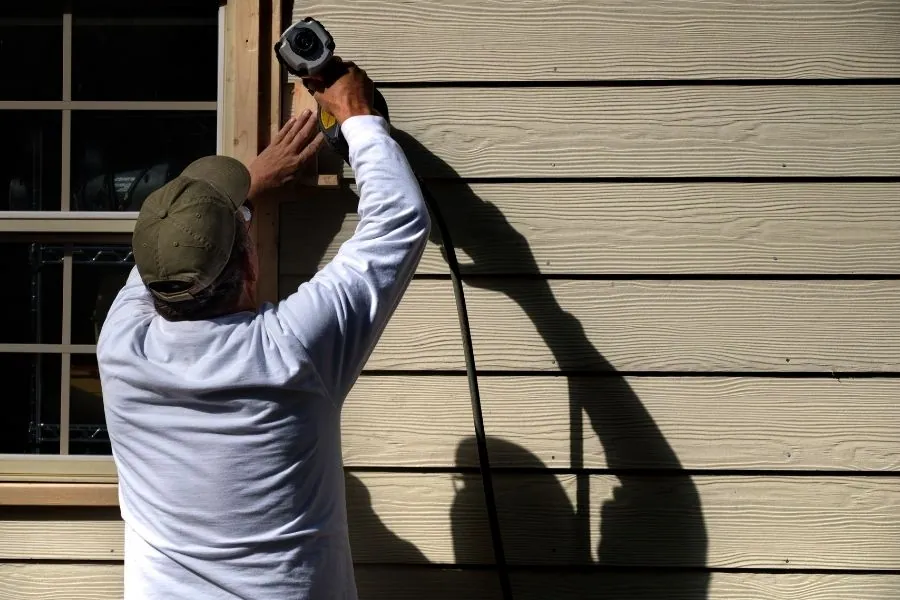
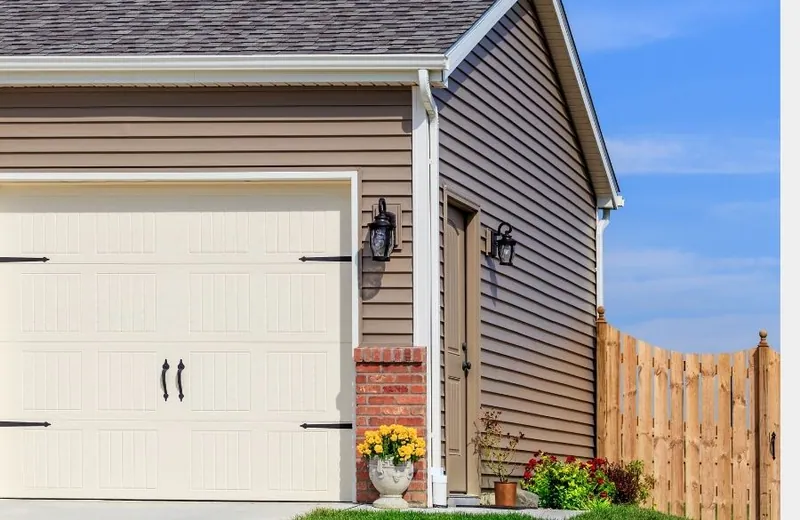
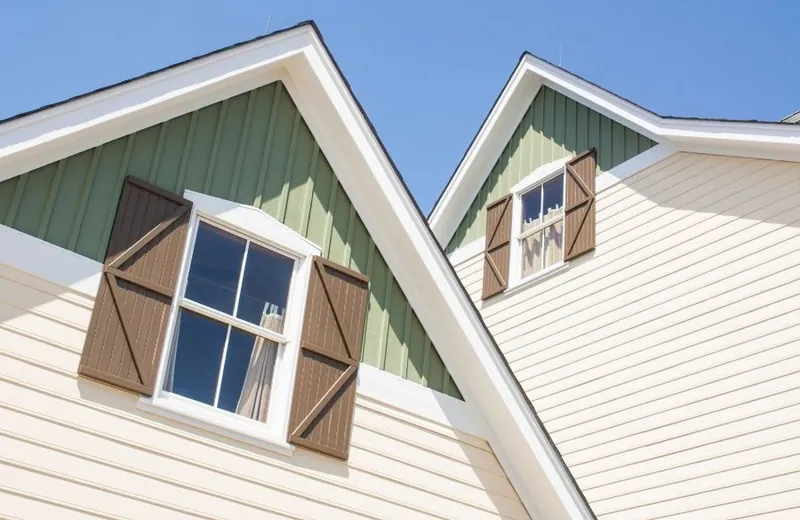
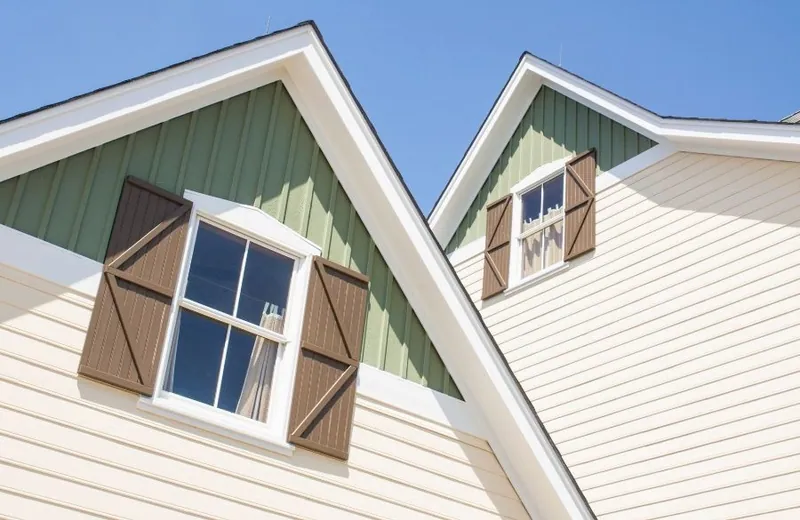
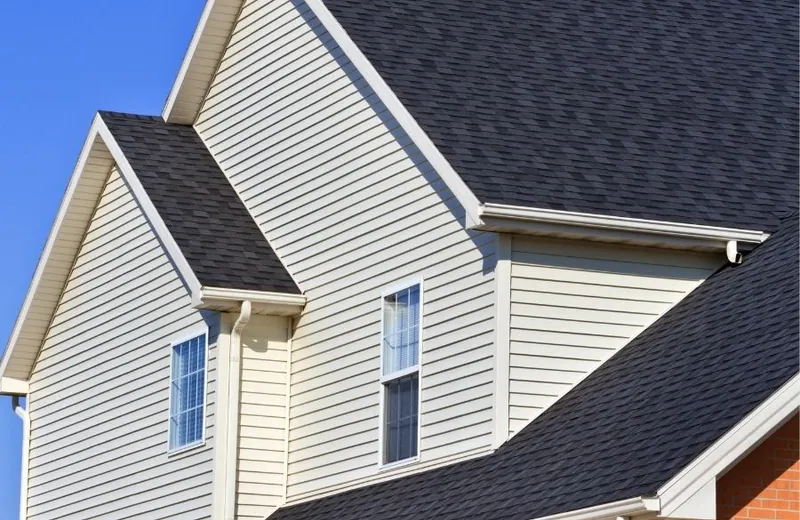
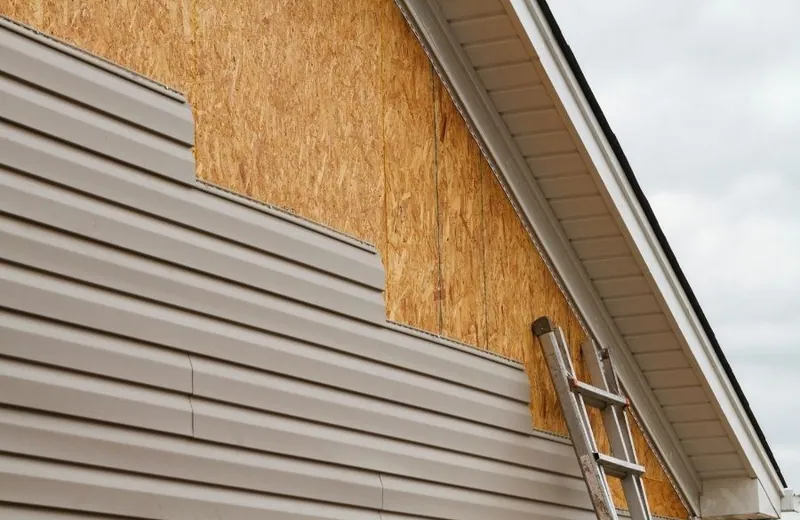
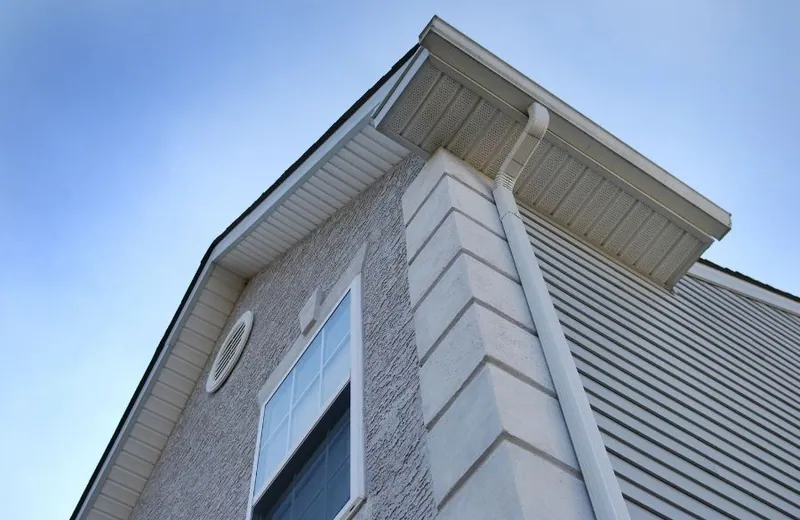
Recent siding Projects in Rollingwood, TX
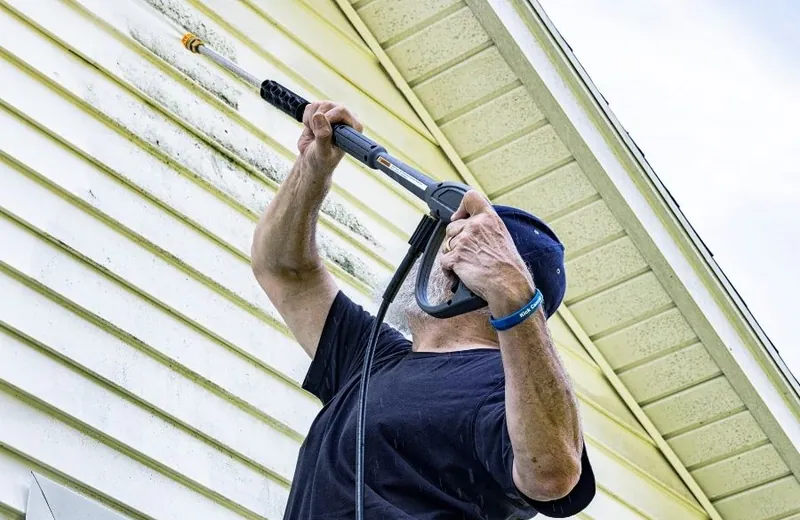
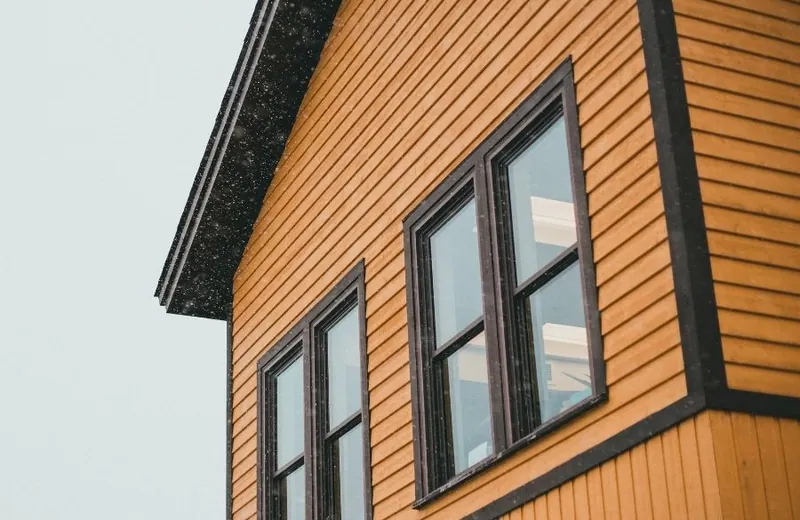
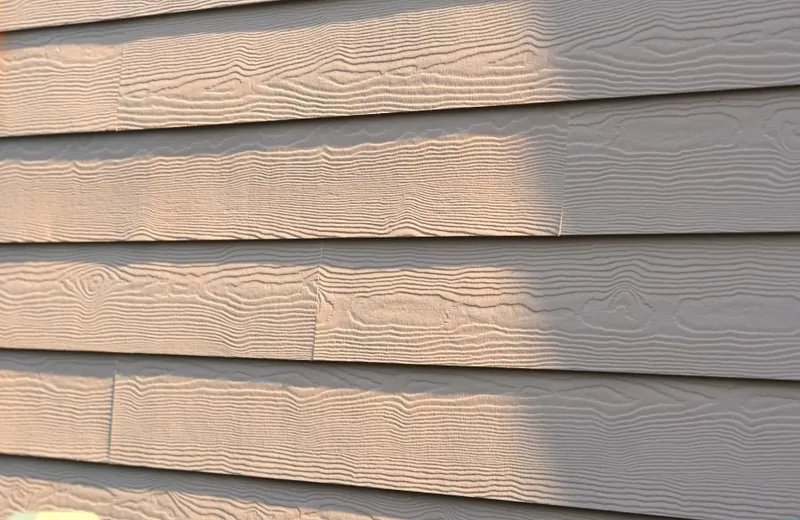
Siding Questions from Rollingwood Homeowners
How much does it cost to replace siding on a house in Rollingwood?
Most full siding replacements around Rollingwood and Austin fall between about $18,000 and $34,000 for a typical suburban home in fiber cement. Large custom homes with mixed materials often run $55,000 to $120,000 or more. Repairs to a few walls or trim areas usually cost $1,500 to $5,500. The biggest variables are material, wall area, height, design complexity and how much hidden sheathing rot we find. You'll get a written, line-item scope with a clear allowance for sheathing repair, so the number you approve is the number you plan around. Financing is available.
How long does a siding project take?
Installation on a typical home takes about one to three weeks, depending on size, material and weather. A single-story ranch in fiber cement might take a week, and a two-story custom home with panels and accents can take longer. Before that, allow roughly one to four weeks for permits, HOA approvals and material delivery. Historic Austin reviews or busy post-hail seasons can stretch that. During summer heat waves, we schedule exposed walls for mornings to protect both the crew and the materials. We'll give you a realistic schedule in your estimate and keep you updated throughout.
Do I need a permit to replace siding in Rollingwood?
Often, yes, especially if you're changing materials or doing the work alongside an addition. Rollingwood runs its own permit and inspection process, separate from the City of Austin, and zoning rules like setbacks and impervious cover can affect related work. West Lake Hills, Bee Cave, Lakeway, Sunset Valley and Austin each have their own departments and rules. If you live in an Austin historic district such as Hyde Park or Travis Heights, expect review before original siding is replaced. Many HOAs also require approval of materials and colors. We help prepare submittals so your project stays on track.
What's the best siding for the Texas heat and hail?
For most Central Texas homes, fiber cement such as James Hardie is the best all-around choice. It won't warp at 100°F, it resists termites, it's noncombustible for wildfire-prone hillsides, and it holds up to hail better than vinyl or aluminum. Engineered wood is a good mid-priced alternative that looks like real wood, as long as it's installed with proper clearances. Vinyl costs less but can warp on west walls and crack in hailstorms. In Rollingwood, many homeowners combine fiber cement with cedar or metal accents for durability and character.
How can I prevent siding rot and damage?
Start by keeping water away from your walls. Aim sprinkler heads away from the siding, pull mulch back so there are several inches of clearance above soil, and clean oak leaves out of the gutters at least twice a year. Re-caulk and repaint on schedule. Our UV shortens paint life, so check south and west walls every few years. Trim branches that rub the house, and watch for mud tubes that signal termites. After any spring hailstorm, walk around the house and check gables and the west elevation. A periodic professional inspection catches hidden rot early.
When should I repair versus replace my siding?
Act right away if you see soft or swollen boards, interior stains near windows, mud tubes or hail cracks. Water is likely reaching the wall structure. Repair makes sense when damage is limited to a few boards, some trim or one shaded wall and the rest of the siding is sound. Replacement makes more sense when hardboard is swelling across several walls, paint fails within a year or two of repainting, or hail has damaged entire elevations. If you're planning to sell, replacing failing hardboard ahead of time often heads off inspection problems.
Can you help with a hail damage insurance claim?
Yes. After a spring storm, we inspect your siding, photograph and measure the damage, and document it so your adjuster has a clear picture. Matching discontinued siding profiles and colors is a common sticking point in Austin-area claims. We'll research options, and if a true match isn't available, we'll explain why full-elevation replacement may be appropriate. Your coverage decisions are up to you and your carrier, but good documentation makes the process smoother. Be cautious of out-of-town storm chasers. We're local, bonded and insured.
Can you match the original siding on my mid-century or historic home?
In most cases, yes. Many Rollingwood ranches have original wood lap, board and batten or cedar, and central Austin bungalows have drop siding and shiplap. We match reveal widths and profiles with stock materials when possible, or use custom-milled wood when needed. In historic districts, in-kind wood replacement is usually preferred. Pre-1978 homes may have lead paint, which falls under EPA lead-safe work rules, and we plan the scope around those requirements. When you'd rather modernize, fiber cement can closely reproduce classic lap profiles.
Serving Rollingwood, TX & Nearby
Schedule Your Rollingwood Siding Inspection
Rotted trim, hail-cracked gables or tired hardboard won't fix themselves, and Central Texas weather only speeds things up. Let's look at your home and put together a clear plan.
- ✓A thorough inspection of every elevation, including hidden rot checks
- ✓Design guidance that fits your home's architecture
- ✓A clear, line-item written scope and estimate
- ✓Help with permits, HOA submittals and hail-claim documentation
- ✓Bonded and insured crews who protect your landscaping
- ✓Flashing and weather barrier details built for wind-driven rain
- ✓Financing options for qualified homeowners
⚡ Storm just passed through? If hail or wind has opened up your siding and water is getting in, call us so we can assess the damage and help protect the wall quickly.
Bonded • Insured